The Top Companies Not To Be Monitor In The Downpipe Repairs Industry
Why You Need to Get Your Downpipe Repairs Near Me You need to call the experts if your pipes leak. The same applies to your downpipes and gutter system. These components are crucial in directing water away from your roof & into stormwater drainage systems. Without them, your home could be damaged in a major way. Here are a few signs that your downpipe needs to be repaired. Clogs Clogged pipes are a nuisance but they're not difficult to clear. To clear a pipe, you can use an auger for toilets or any other professional drain cleaning equipment. Call a plumber if you are unable to reach the blockage. A clog happens when a blockage is found underneath the surface of the pipe. This can be caused either by tree roots or a clog. It could be a sign that there is a significant leak in the pipe. If you suspect that your downpipe might be blocked you should cover the drain and run water through it. You can repair a plastic downpipe by applying a waterproof joint sealant. Be sure that the sealant you select is compatible with the downpipe material. For instance, a rubber sealant won't work on the steel downpipe. You can apply a rust inhibitor on older downpipes in order to prevent the clog. This is especially important when you live in an area that receives an abundance of rain. In addition to preventing a clog it will also prolong the lifespan of your downpipe. You can also use a garden hose to clean a downpipe that is blocked. Cover the drain, switch on the hose, and then guide it towards the downpipe to remove any debris. If the problem persists, you may need to remove the affected section of the downpipe and replace it. A blockage in the drain may cause a clog to develop in the downpipe. It could also be a sign of severe damage to your waste lines, and requires professional repair. Traditionally, clogs were worn as footwear to protect workers in factories, agriculture and mines. They are often associated with the back-to-nature style of the 1960s counterculture. However, some types, such as Swedish traskor or Japanese geta, have become fashion-forward in the present. Clogs are particularly popular among nurses, who appreciate the comfort and durability of this type of shoe. Clogs are also an excellent option for women who are on their feet all day long as they offer cushioning and support. Leaks Downpipes are designed to channel rainwater away from foundations and walls to a drain, but they can be damaged by blockages and leaks. It's important to repair your downpipes when they're damaged to prevent water damage. The most common causes for downpipe damage are clogs, corrosion, and leaks. Leaks are a frequent issue that is caused by wear and wear, weather conditions, and aging. Your guttering and downpipes will be exposed to all kinds of weather conditions, ranging from frost and snow to hot sun. In time, this could cause the joints to become loose and break. This can cause dirt to be dragged through the joint seals and lead to leaks. Luckily, the majority of leaks can be repaired by using gutter repair tape to patch up any cracks or gaps. Clean the area with a metal brush to remove any paint or corrosion. Then, cut the length to be a few centimetres more than the width of your downpipe. Remove the backing paper from the tape and wrap it around the joint. The ends should be overlapping and press firmly. Metal guttering sealant can be used to seal larger leaks or damaged pieces of union. Always wear gloves when working with the sealant. Ask someone in your family or a trusted friend to help you if you are working on the ladder. Check the weather before starting any work. If you are working from a height, make sure you use an erect ladder and has a good grip. Request someone to keep you from the roof's edge. The best method to avoid leaks from your downpipe is to stop them from forming in the first place. Cleaning your downpipes and gutters regularly will prevent blockages and ensure that any leaks are quickly fixed. Examine your downpipes for signs wear, especially if they are in an area that is particularly windy. The early detection of issues with your downpipes can prevent further problems with your exhaust system, and ensure that your system is operating at its best. Corrosion Corrosion occurs when materials typically metals slowly degrade due to chemical interactions with their environment. This process can affect everything from pipelines and bridges to homes, cars, and plumbing systems. Corrosion can lead to leaks, wall thinning, and even the rupture of pipes that carry water through our homes and structures. This kind of damage happens more frequently in coastal regions where the climate and environmental conditions increase the rate of corrosion. All metals corrode but the rate of corrosion depends on the environment they are in. Some metals, such as gold and silver, can be found in nature in a pure state. However, the majority of the metals used in the production of products by humans, including iron, are processed from ore or minerals that are unstable in their natural state. Moisture is another aspect which accelerates corrosion. Moisture provides the electrochemical energy required to oxidize. The effects of corrosion are costly and sweeping, unlike weather-related disasters that can be prevented mostly through proactive mitigation measures. Corrosion costs the economy over 2.5 trillion dollars in direct damages every year. This covers a broad range of damages, including the loss of safety for people and property, environmental damage and economic losses from reduced efficiency. Corrosion can be prevented by using protective coatings and linings that protect the metal from the elements that cause corrosion. These barriers can dramatically prolong the lifespan of a pipe. Regular inspections can also help prevent major damage. Inspections with a visual eye, ultrasonic tests, and water analysis can identify early rust development. This allows for quick interventions. If you've got a minor leak or an rust spot on your downpipe, you must first clean the area around it. Then, cut a length of repair tape that is a few centimetres longer than the width of your downpipe. Take off the backing paper, and wrap the tape around the joint by overlapping the ends. Press firmly on the tape to ensure it is secured. This will keep the joint safe from further leaks and rust spots. Damage The first protection for your roof is downpipes and gutters. Guttering Specialist assist in channeling excess rainwater away walls and foundations of your house and that's why they are so crucial. Water can enter your home and cause damage as well as mildew, mould, and mould, when they are damaged. 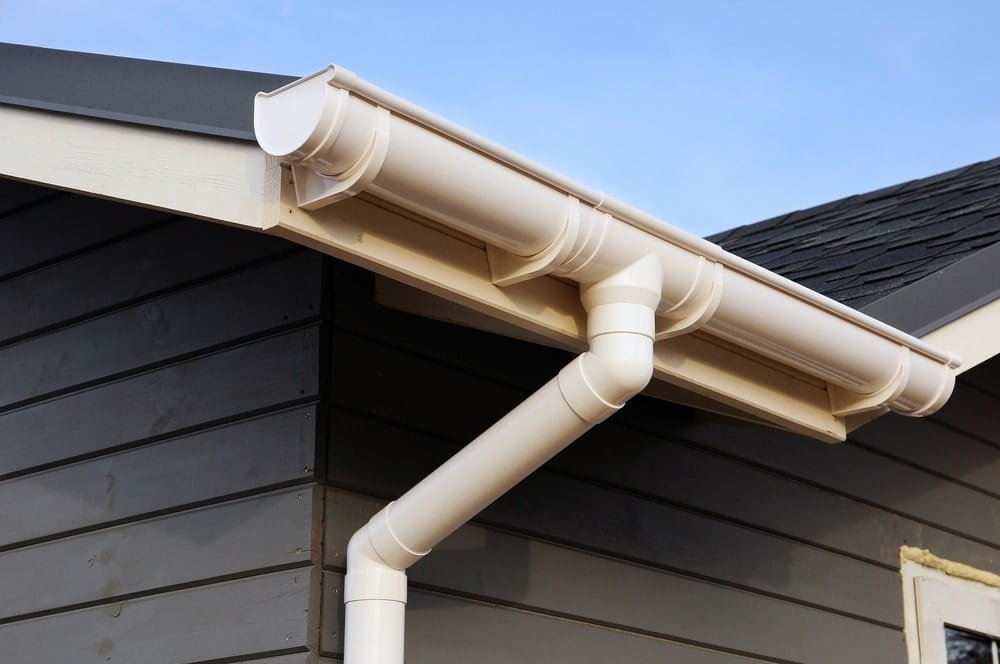 This is the reason it's essential to have your downpipes routinely examined and, if required repaired. This will ensure that your downpipe functions effectively and efficiently to keep your home or business protected from the elements. Guttering & downpipes are usually located outside, meaning they can be exposed to harsh weather conditions and various other environmental elements that could cause them to deteriorate over time. This is why regular cleaning is important – not only does it prevent blockages but also allows to detect any issues early before they turn into more serious issues. Damage is the main reason why downpipes must be replaced or repaired. Damage can result from a variety of causes, such as heavy snowfalls and the hefty accumulation of debris, ladders leaned against them, or even ball games for children. All of these problems could lead to cracks or splits, which will cause water to begin to leak out. This leaves your home vulnerable to mould, water damage and mildew. The corrosive elements can also cause damage to your downpipe, which can cause it to rust and fall apart over time. This could lead to leaks and the need for downpipe repairs near me. If your downpipe is leaking or cracked, an easy and easy way to repair it yourself is using gutter repair tape. You can purchase this at the majority of hardware stores and comes in a variety of sizes to meet your needs. Simply cut the length of repair tape that is a few centimetres longer than the downpipe, take off the paper backing and press it onto the joint or crack. Once dry you can put it back on the wall clips or screws (for downpipes made of metal) and use gutter sealant to fill any remaining cracks.